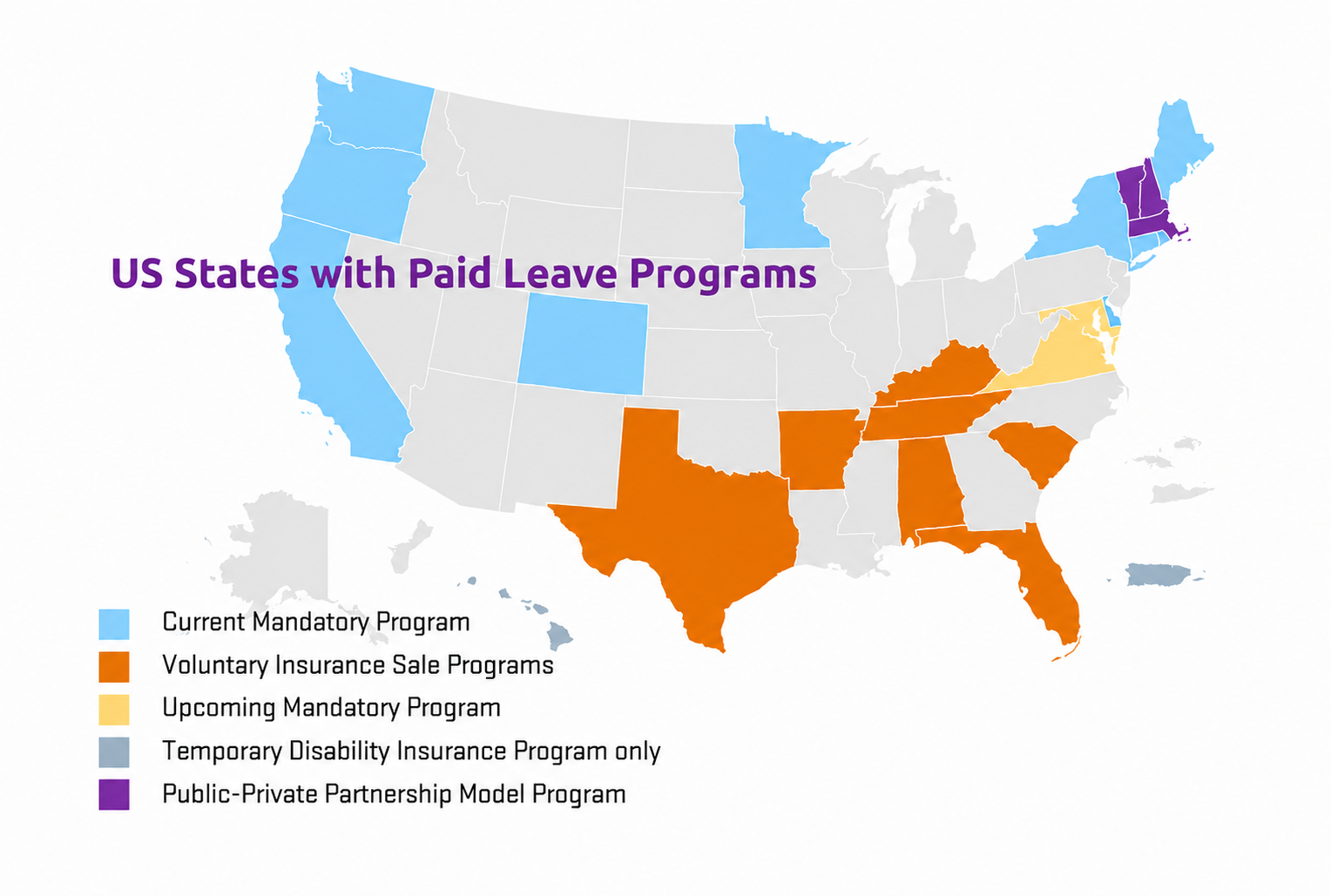
Overlapping federal and state regulations for PFML [Paid Family and Medical Leave] create major compliance hurdles and noisy disconnects in the benefits data and workflows of employers and their carriers.
The legacy “unified” architecture of Payroll, HCMs, or specialist benefit systems is easily disrupted by conflicting eligibility rules, divergent job-protection guidelines, misaligned definitions of family members, and so on.
The demands of dynamic leave tracking only compound the challenges and manual workarounds required by a legacy SaaS approach to complex benefits & compliance.
_______________________
Now for the Good News!
Next gen intelligent middleware — such as BeneSphere powered by BENEFITSCAPE — unlocks game-changing Ecosystem Solutions for these long-standing platform and systems problems. And without disrupting legacy infrastructure or adding costly new investment, workloads, complexity, or risk.
But first lets review just a few of the core regulatory mismatches challenging.
___________________________________________
Core Challenges of Overlapping Leave Laws:
Cross-System Disconnects: Critical leave information — including claim status, wage replacement calculations, and return-to-work dates — is often housed in separate state or carrier systems, leaving employers without a single, real-time view.
Conflicting Rules: Federal FMLA and state PFML programs differ significantly in eligibility requirements, qualifying family members, benefit durations, unpaid job protections, and calendar-year tracking.
This makes the determination, reconciliation, delivery, and compliance of employee entitlements under concurrent leave regulations highly complex to process and strategic employer oversight a virtual impossibility.
_______________________
Examples of Specific Federal/State Pitfalls:
Eligibility Mismatches: Federal FMLA requires a 12-month service history, whereas many states grant immediate or broader coverage without length-of-service hurdles.
Duration Conflicts: Federal rules cap unpaid leave at 12 weeks, while state programs often extend paid coverage up to 26 weeks, complicating concurrent tracking.
Administrative Friction: Employers must synchronize job-protection timelines, PTO top-off rules, and contribution mandates across multiple jurisdictions.
_______________________
All these complexities collide at the level of individual employees!
A specific employee, for example, might begin state PFML, qualify for FMLA, receive short-term disability benefits, and be eligible for employer-paid top-off.
Payroll, HR, and the carrier — without an Ecosystem Solution to connect and align divergent systems, people, and processes — can all too easily find themselves using different dates and payment amounts.
But the impact is not only on business and benefit managers.
Individual employees experience delayed or incorrect benefit payments, confusing or conflicting communications, and uncertainty about job protection — in short, added stress and anxiety just when tackling health problems.
___________________________________________
What an Ecosystem Solution Provides:
A modern Ecosystem Solution, such as BeneSphere, leverages smart, system-agnostic middleware — with embedded federal and state PFML intelligence — to connect and align critical but divergent systems, people, policies, and processes.
Single Trust Layer: Receives, compares, and reconciles differences between claim dates, Payroll/HCM records, and detailed documentation to create a unified, auditable record of each employee-level leave event.
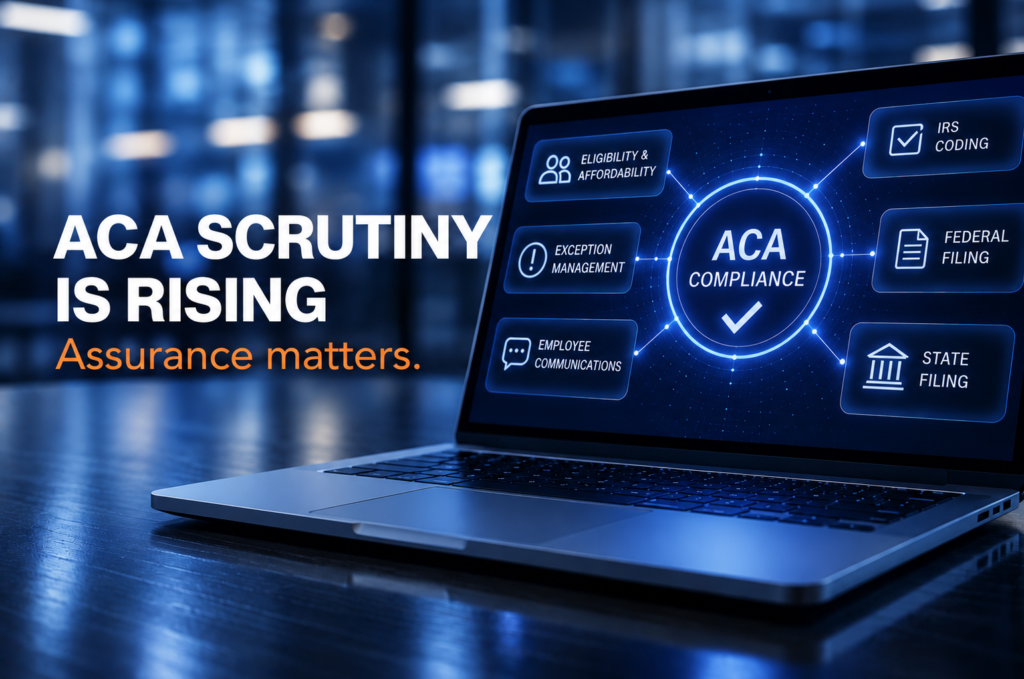
Proactive Risk Management: Identifies unreconciled anomalies and exceptions, issuing smart alerts to help ensure on-going PFML compliance.
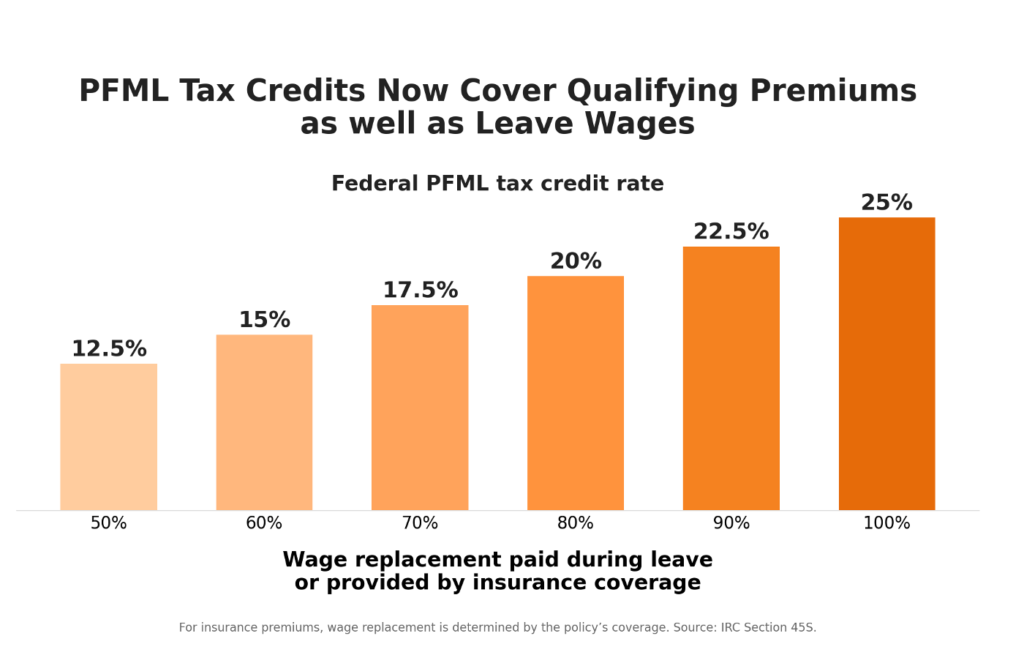
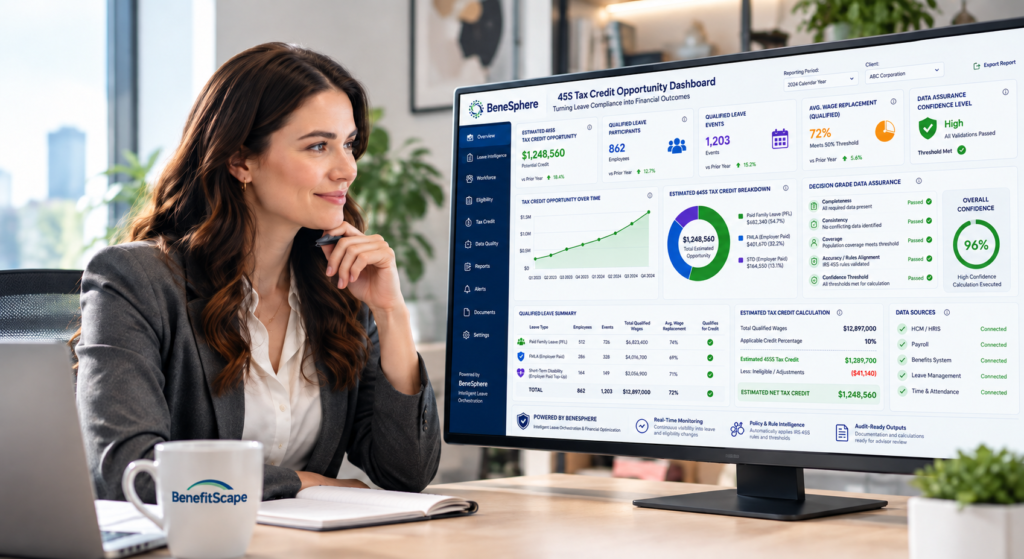
Financial Optimization: Automatically tracks data needed to claim valuable tax credits (such as IRC Section 45S) that often go unclaimed.
Coordinated Governance: Connects employee eligibility, leave events, and third-party insurance data to enable live, end-to-end PFML visibility and analytics.
In short, from silos to strategy!
_______________________
Contact BENEFITSCAPE About BeneSphere
If you are an employer struggling with federal and state PFML delivery and compliance or a carrier with clients struggling to take full advantage of PFML plans, talk to BENEFITSCAPE about BeneSphere — our ecosystem solution and intelligent middleware for end-to-end employee benefits.
We orchestrate and automate PFML delivery and compliance across disparate systems, complex plans, and overlapping federal/state regulations — including an ecosystem dashboard for strategic governance.
Contact BENEFITSCAPE today by emailing info@benefitscape.com or calling +1 508-655-3307, or use the contact form on benefitscape.com.
Learn more here about BeneSphere: One Ecosystem for Everyone’s Benefits »